Understanding integrated electric propulsion systems for commercial vessels
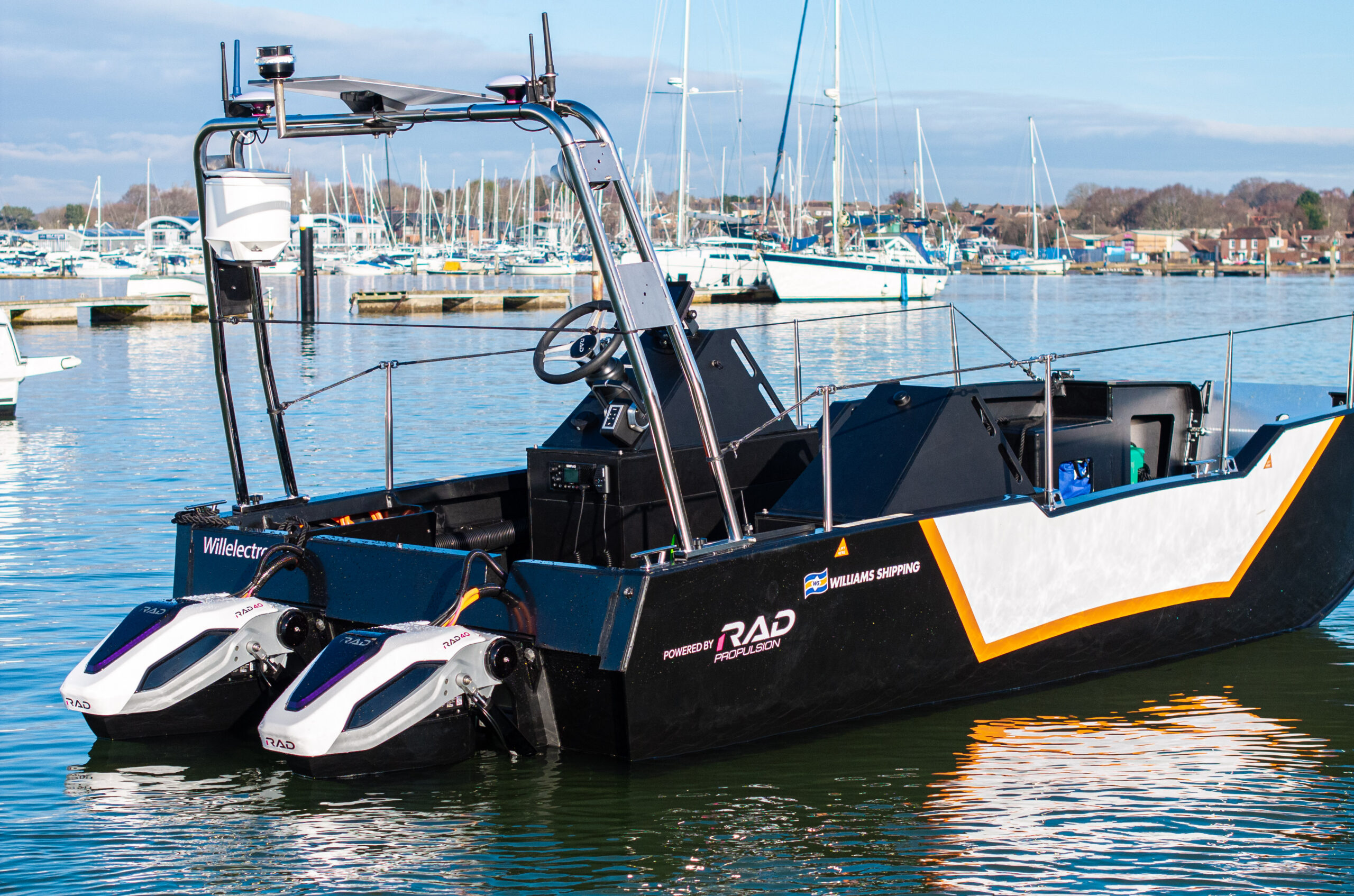
Electrification is no longer confined to the leisure end of the marine market. Workboats, survey vessels, harbour craft and passenger ferries are now considering electric power as a serious option from the outset, with RAD Axon providing the digital backbone to make that transition straightforward.
As that shift accelerates, commercial operators evaluating integrated electric propulsion systems for commercial vessels are finding that the harder engineering question isn’t which motor to buy but how propulsion, energy storage, controls and monitoring are supposed to work together once installed.
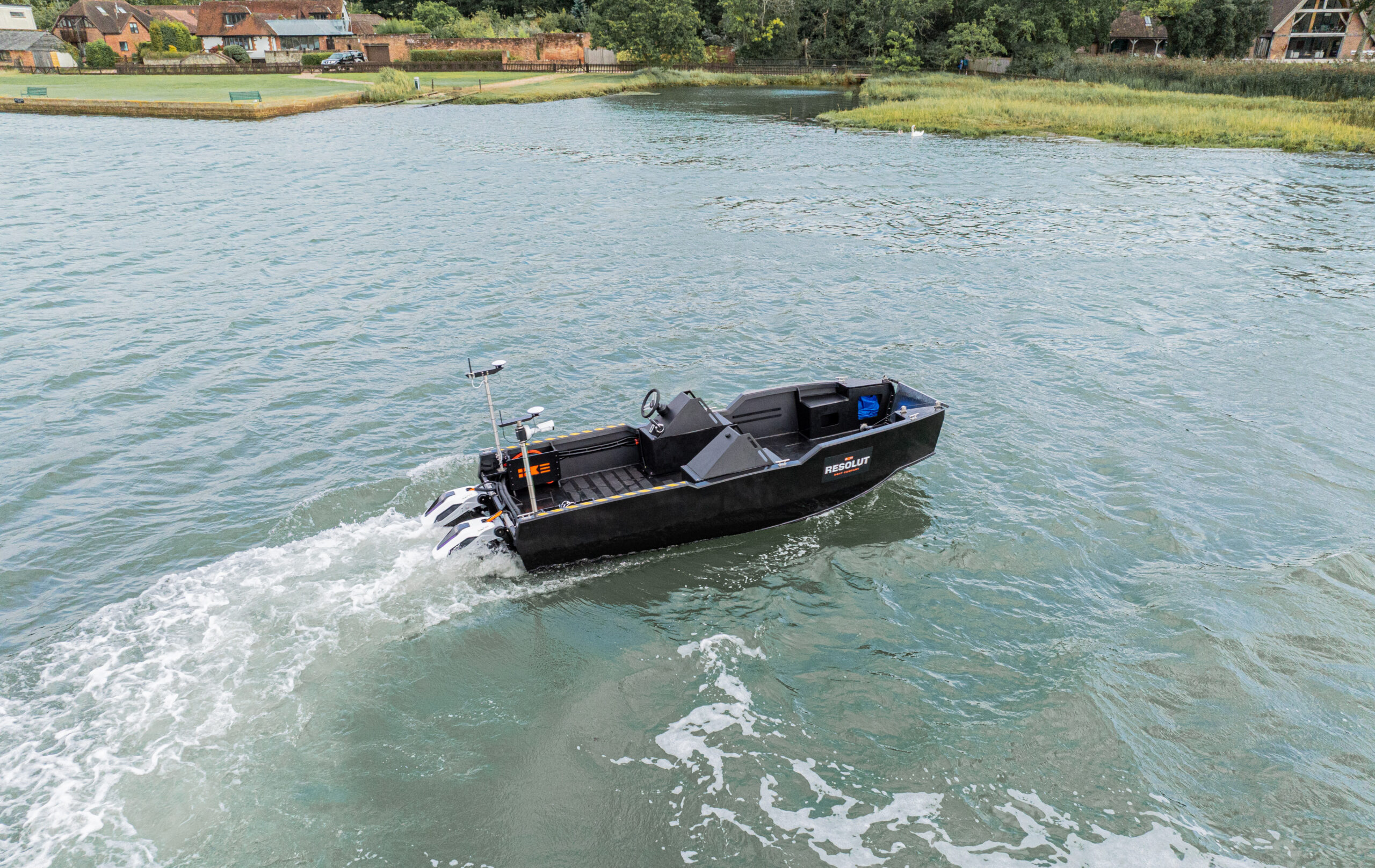
An integrated electric propulsion system differs from a standalone electric motor in exactly that respect. Rather than treating the drive unit as a component wired into an existing vessel, RAD Axon treats propulsion, power and control as a single architecture, specified together from the outset. For commercial operators, that distinction matters more than headline efficiency figures: reliability, serviceability, compliance and lifecycle cost all depend on how well these systems are integrated, not just on how efficient the motor is in isolation.
This article sets out what integrated electric propulsion systems are, why commercial operators are adopting them, and what to consider when specifying one, from vessel duty cycle through to long-term fleet scalability. It reflects RAD’s own experience delivering electric propulsion systems for commercial, defence and leisure vessels.
What is an integrated electric propulsion system?
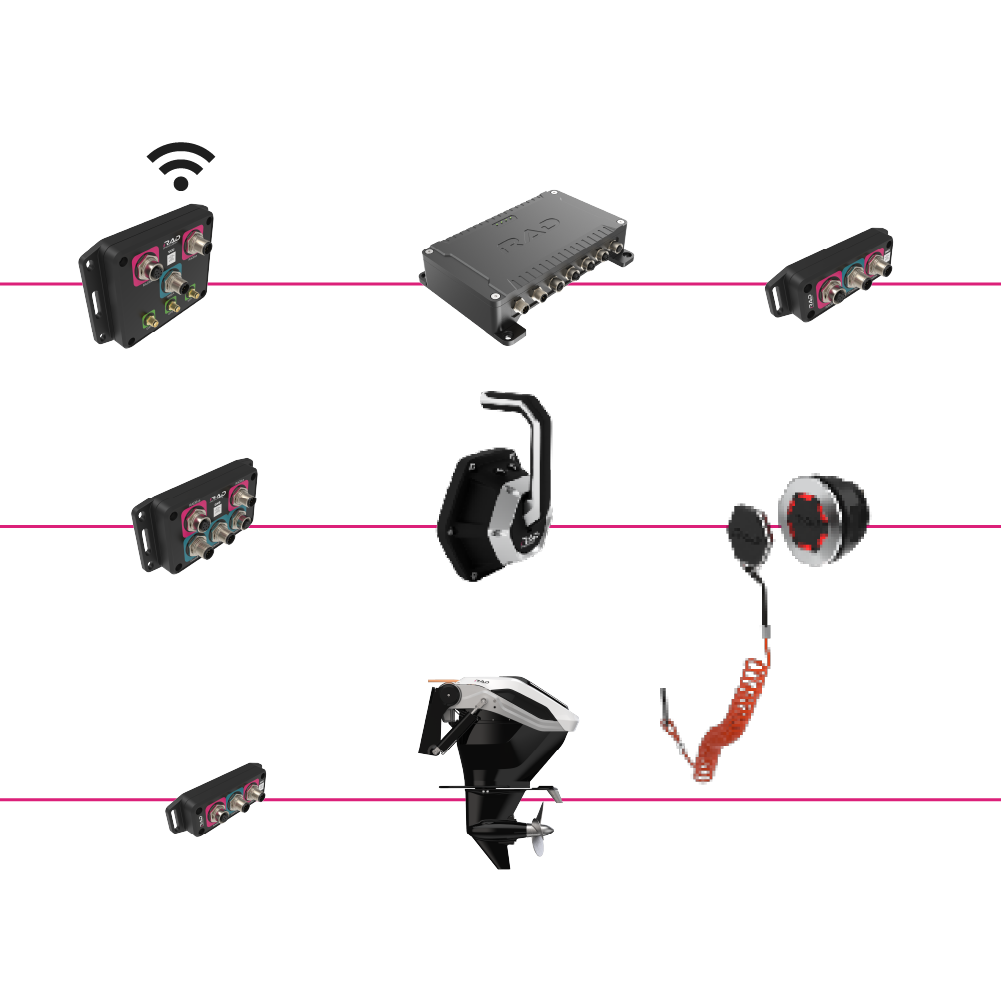
An integrated electric propulsion system is an architecture in which the electric propulsion unit, energy storage, power distribution, control systems, and monitoring and diagnostics are designed as a single connected platform rather than a collection of separately sourced parts. In practice, this means:
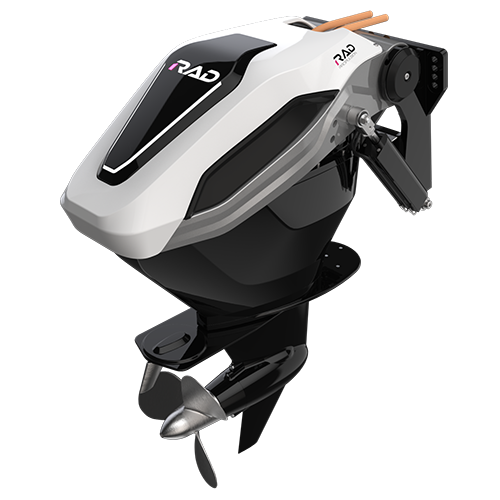
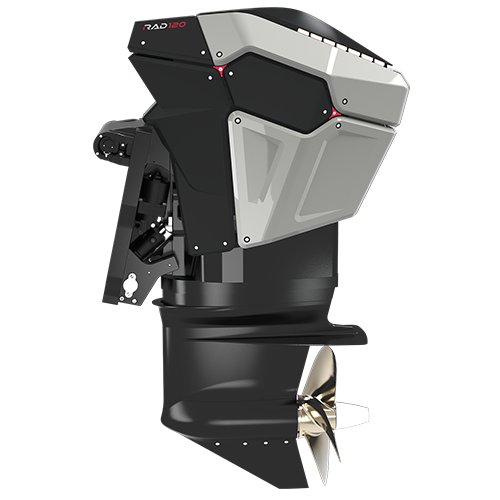
- Electric propulsion units: the motor and drive assembly converting stored electrical energy into thrust.
- Battery systems: Sourced from specialist partners and sized and managed to match the vessel’s duty cycle and endurance requirements.
- Power distribution: the wiring, switching and protection architecture moving energy from storage to propulsion and other vessel loads.
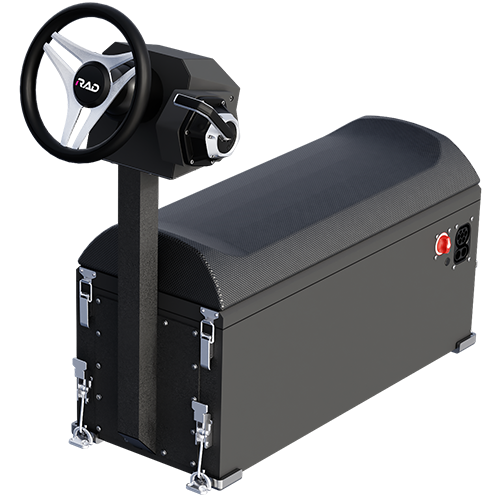
- Control systems: typically drive-by-wire throttle and steering, coordinated through a central control unit.
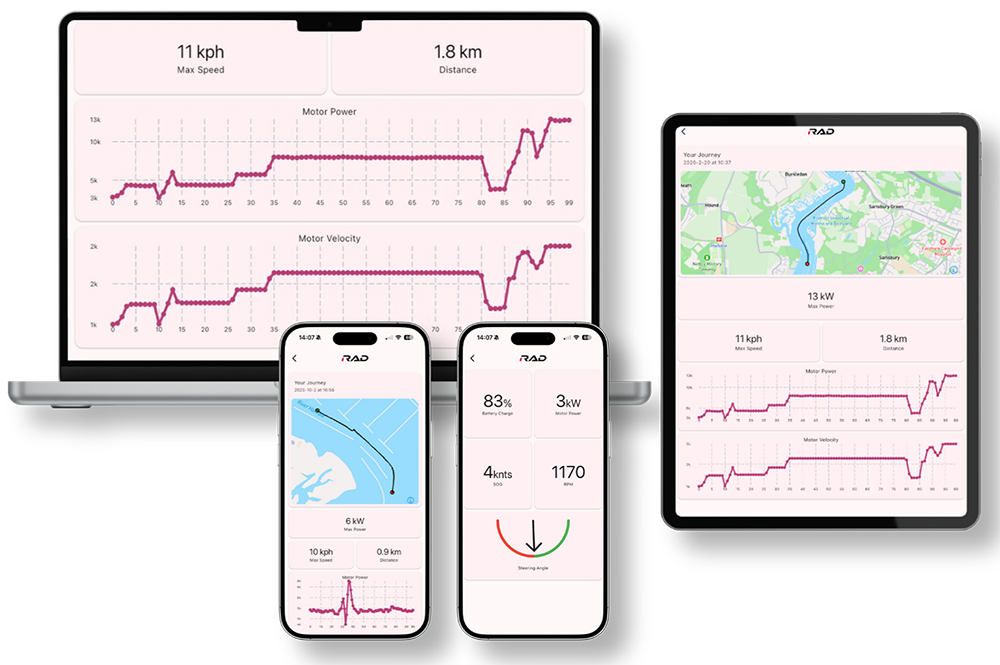
- Monitoring and diagnostics: real-time visibility of propulsion, power and system health.
- Communication architecture: the data layer connecting these systems to each other, and to onshore or fleet management tools.
A traditional propulsion installation may combine a motor from one supplier, a battery pack from another and controls added later, leaving vessel integration risk largely with the boat builder or installer. An integrated electric propulsion system is specified as one architecture from the start, with propulsion, power, controls and software engineered to work as a single platform. RAD Axon follows this principle, using a single, open architecture rather than a set of bolted-together parts.
Why commercial vessels are moving towards electric propulsion systems
Several forces are pushing commercial operators towards electric drive systems, and most are operational rather than environmental. Regulatory pressure and emissions targets are part of the picture, particularly in ports and harbours where local air quality rules are tightening. But the more consistent driver across workboats, tourism vessels, passenger ferries, survey vessels, research vessels and harbour operations is straightforward – lower operating cost and reduced maintenance burden.
This is the practical face of marine electrification for commercial fleets. Diesel propulsion carries recurring costs that electric drive removes or substantially reduces, including fuel purchase and storage, oil changes, filter replacement, exhaust maintenance, and mechanical wear. Rising fuel costs make these savings more material year on year. Electric propulsion also removes several categories of scheduled maintenance entirely, with a direct effect on vessel uptime and total fleet running cost.
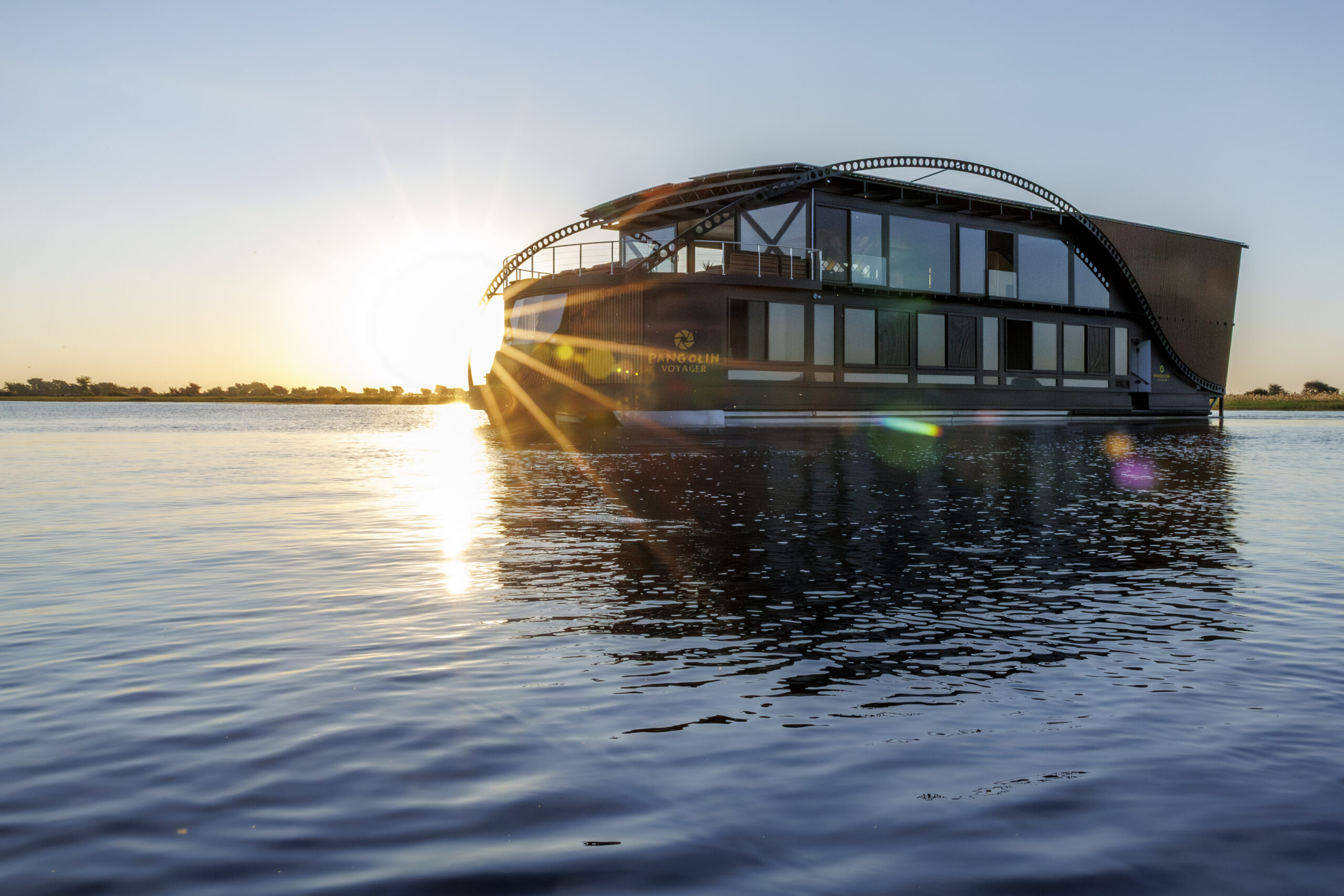
This is already playing out in the field. On the Chobe River in Botswana, Pangolin, a premium safari operator turned to RAD to power a new houseboat hotel after previous electric propulsion attempts on the river had failed. Combustion outboards required frequent servicing, while fuel had to be shipped in and restocked every three days.
RAD specified four RAD 40 drives and batteries supported by a solar-panelled roof. The houseboat now operates without the same fuel-resupply and servicing demands as a diesel equivalent, while near-silent propulsion reduces disturbance during wildlife encounters.
Noise reduction is a practical operational benefit as much as a comfort one. Quieter propulsion improves the passenger experience on tourism and ferry routes, reduces operator fatigue on long survey missions, and matters where harbour noise restrictions apply.
Taken together, these factors mean electric and hybrid propulsion systems are increasingly evaluated as fleet-performance decisions, weighed on cost per operating hour, maintenance intervals, emissions requirements and asset availability rather than purely as maritime decarbonisation initiatives.
For commercial operators, the business case will depend on the vessel’s duty cycle, operating environment and available charging infrastructure. However, reduced emissions can sit alongside lower maintenance requirements, quieter operation and improved asset utilisation as part of the wider procurement decision.
The importance of system integration in vessel performance
Propulsion cannot be evaluated in isolation from the rest of a vessel’s systems. The relationship between the propulsion unit, battery system, power distribution, vessel controls and software determines on-water performance, not the motor specification alone.
In a well-designed marine power architecture, each component is configured around the same duty cycle so that power delivery, endurance and control response remain consistent in operation. A highly efficient motor will not deliver commercial-grade performance if the battery capacity, power distribution or vessel control systems are not engineered to support it.
Drive-by-wire controls show why this integration matters. Precise throttle and steering response depend on clean communication with the propulsion unit and live awareness of battery and power state.
Real-time monitoring brings information such as state of charge, motor temperature and power draw into one connected view. This helps crews operate the vessel safely and efficiently across its duty cycle, while giving engineering and fleet teams the operational data needed to identify issues and plan maintenance.
This is where a common digital infrastructure for vessel systems earns its keep. When propulsion, power and control share one communication layer, commissioning is faster, diagnostics are consolidated and there are fewer integration seams where faults can arise.
RAD Axon applies this open-architecture principle across propulsion, power and control. The result is coordinated management of power delivery, thermal limits and battery health, rather than connectivity for its own sake. For operators, this can support more straightforward commissioning, simplified maintenance, improved reliability and better vessel performance optimisation.
Operational benefits for commercial vessel operators
For operators who depend on vessel availability, the case for integrated electric propulsion comes down to measurable outcomes. Lower routine servicing requirements can support uptime and reduce time out of service, which matters on survey or transport schedules where an unavailable vessel can mean lost revenue, delayed data or disruption to wider fleet operations.
A connected system can also give operators earlier visibility of component condition and performance changes. This supports planned intervention rather than reactive maintenance, helping protect asset utilisation and operational continuity.
Energy efficiency and uptime go hand in hand: electric drivetrains convert more stored energy into thrust than combustion systems, and integrated monitoring allows charging and duty cycles to be planned around actual usage. Quieter operation also reduces the acoustic footprint of harbour and near-shore work, which matters for environmental monitoring and survey missions where the vessel’s own noise can interfere with the data being collected.
Perhaps most significant is predictable lifecycle cost. Because an integrated system is specified, monitored and maintained as a single architecture, operators gain clearer visibility of component condition and remaining service life, supporting better budgeting and reducing the risk of unplanned downtime.
Supporting autonomy and future-ready vessel architectures
Autonomous and remotely operated vessels place greater demands on propulsion architecture. An uncrewed surface vessel, or USV, must allow propulsion, power and controls to be monitored, commanded and diagnosed remotely without relying on a crew member to intervene.
Reliable data exchange and system integration are therefore fundamental to the vessel’s operation. Propulsion cannot function as an isolated system if the autonomy platform needs live information about speed, power availability, system health and control status to make or support operational decisions.
This is where open vessel systems architecture such as RAD Axon becomes an operational requirement rather than a preference. Autonomy software must exchange data reliably with propulsion, navigation and power systems, while operators need the flexibility to select or change autonomy providers without replacing the wider propulsion stack.
Open interfaces can reduce the need for custom middleware, shorten integration timelines and limit vendor lock-in across the vessel lifecycle. They also provide a more scalable foundation for future upgrades as autonomy technology, payloads and operating requirements evolve.
Case study: Zeabuz and ZeaFalcon
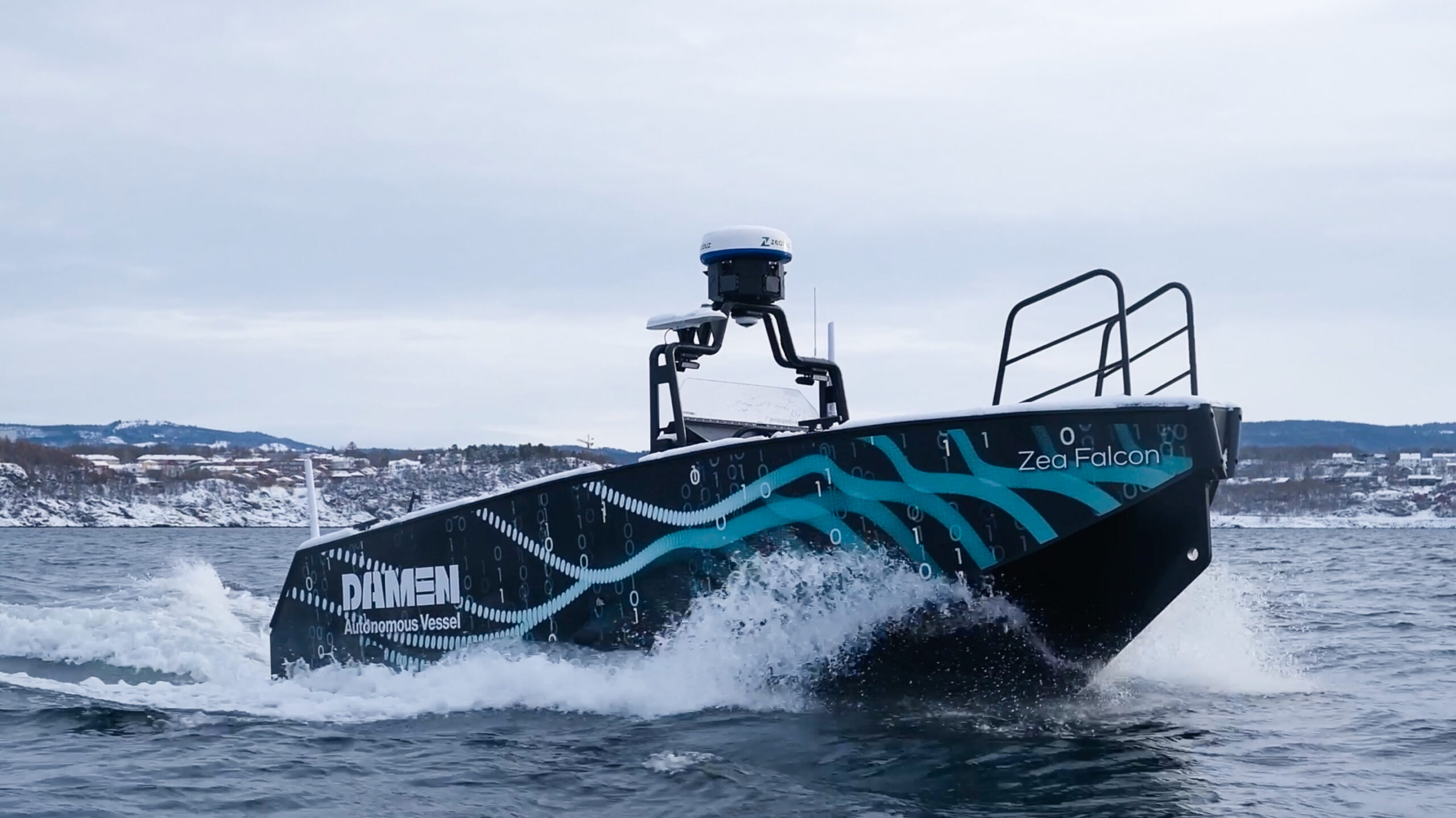
Background. Zeabuz is a Norwegian autonomous maritime technology company specialising in scalable autonomy for surface vessels. Working with Damen Shipyards, it developed ZeaFalcon: a 7-metre demonstration vessel designed to prove its autonomous technology in real-world conditions, switching between crewed, remotely commanded and fully autonomous operation, and supporting defence and scientific data-collection missions with situational awareness, obstacle avoidance and automatic docking.
Need. The project left no room for lengthy integration work. Zeabuz needed a propulsion and control platform that could connect directly to its autonomy software without custom middleware, while still delivering the performance and reliability real-world demonstrations demand. That meant finding a partner who understood both marine propulsion and autonomous vessel control well enough to get the vessel operational fast.
Solution. RAD supplied twin RAD 40 electric drives, an integrated battery system and the RAD Axon control stack. Axon interfaced directly with Zeabuz’s autonomy layer from day one, with no custom middleware or platform modifications required, allowing the complete system to be integrated and commissioned within days.
This isn’t a separate consideration from electrification. The two trends reinforce each other, since electric propulsion is inherently better suited to precise, software-controlled operation than combustion drive. Operators specifying new vessels, or upgrading existing ones, benefit from architectures that can support this progression, whether or not autonomy is an immediate requirement. A scalable, open architecture specified today avoids a costly re-engineering exercise if the vessel’s role expands later.
Key considerations when specifying an integrated electric propulsion system
Specifying vessel propulsion systems for commercial use starts with the operating profile, not the product catalogue, whether the platform in question is a 40kW-class installation such as the RAD 40 electric outboard or a larger, custom-engineered drive. Vessel size and duty cycle determine required power and thrust; mission length and speed profile determine energy requirements and battery sizing; and the answers to both shape what charging infrastructure the operation needs.
Installation complexity and serviceability are practical, not secondary, considerations: a system that’s straightforward to install reduces build risk for boat builders, and one that’s straightforward to service reduces downtime for operators. Scalability matters too. An architecture that only suits one vessel configuration limits future flexibility. Before specifying a system, operators and buyers should be asking:
- Is the system fully integrated, with propulsion, power, control and monitoring engineered as one platform, or assembled from separately sourced components?
- Can the architecture support future upgrades, whether in battery capacity, autonomy integration, or additional payload requirements?
- How easily does the propulsion system integrate with vessel controls, and does that integration use open or proprietary interfaces?
- What operational data is available in real time, and how is it presented to the crew or fleet management system?
- What ongoing support is provided across commissioning, maintenance and troubleshooting?
These questions matter more than any single performance figure, because they determine how the system behaves once it’s in service, over years of real operating conditions – not just on day one.
Real-world applications and commercial use cases
Integrated electric propulsion is already being applied across a range of commercial vessel types. Tourism boats and passenger transport can benefit from quiet, low-vibration operation and lower running costs on frequent routes.
Harbour and port operations may be well suited where routes are short and repeatable, charging is available at the operating base and reduced noise is valuable in built-up waterside environments. These predictable operating patterns can make it easier to specify battery capacity and schedule charging around the vessel’s working day.
Case study: Natural Habitat Adventures
Background. Natural Habitat Adventures is a conservation-focused adventure travel company running wildlife expeditions in destinations including the Galápagos Islands. RAD began working with the team to explore how electric propulsion could support quieter, lower-emission guest excursions, with the aim of making Natural Habitat Adventures the first operator in the region to adopt electric propulsion.
Need. Natural Habitat Adventures wanted to reduce the noise and environmental impact of its small expedition boats without compromising passenger capacity, operational range or performance. Quiet propulsion was particularly valuable for enhancing wildlife encounters and the guest experience, while helping protect the wildlife and waters of the Galápagos.
Solution. RAD developed an electric propulsion system built around Natural Habitat Adventures’ operating profile with a RAD 40 drive and 21kWh Power Console. The system was trialled in real-world conditions, carrying 11 adults across representative shore transfers and wildlife tours. Following these trials, Natural Habitat Adventures commissioned an Ecuadorian boatbuilder to build a new vessel, designed specifically around the electric propulsion system.
Outcome. The new vessel is currently in build, with Natural Habitat Adventures on track to become the first operator in the region running electric-powered guest excursions from 2027
Survey and research vessels operate on a different profile: long, repetitive missions where predictable performance matters more than top speed, and where the vessel’s own noise can affect the quality of the data being collected. Offshore support operations are adopting electric and hybrid propulsion where duty cycles allow. Autonomous surface vessels (USVs) represent the clearest case for integration: without a crew aboard to make real-time judgement calls, propulsion, power and control need to be engineered as a single, monitorable system from the outset.
Across these use cases, the common outcomes are consistent, lower operational costs, improved reliability, and better mission efficiency, because the propulsion system is performing as an integrated platform rather than a set of independently sourced parts.
Common challenges and implementation considerations
Adopting integrated electric propulsion is not without practical challenges. Upfront investment can be significantly higher than for a comparable combustion installation, even where lifecycle costs favour electric drive. For some operators, financing and leasing options, including the RAD 40 leasing scheme, can help reduce the initial capital commitment and support a more phased approach to fleet electrification.
Battery sizing recommendations require an accurate understanding of the vessel’s real duty cycle. Oversizing adds weight and cost, while undersizing can constrain range or operating hours. Charging must be planned around the operating base, available power supply and working schedule, and crews may need training on drive-by-wire controls, charging procedures and battery management.
None of these challenges are unusual for a significant systems change, and none are best solved after the fact, — they’re most effectively addressed through early-stage engineering collaboration with an experienced propulsion and systems partner, before specification is finalised.
Conclusion
Integrated electric propulsion systems are becoming a standard consideration in commercial marine operations because they address problems that component-level electrification can’t – reliability under real operating conditions, serviceability over years of use, and predictable lifecycle cost across a fleet. Combining propulsion, power, controls and software into a single architecture delivers advantages that compound over the vessel’s working life, from faster commissioning through to simpler maintenance and better-informed fleet decisions.
For operators evaluating electrification, whether for a single new build or a wider fleet modernisation programme, the priority is to take a systems-first approach: specify the architecture, not just the motor. Considering how propulsion, autonomy and vessel systems will need to work together, now and as requirements evolve, is what makes a vessel ready for its full operating life, not just launch day.
Looking to evaluate integrated electric propulsion systems for your commercial vessel programme? Speak with the RAD team to discuss propulsion architecture, integration requirements and future-ready marine technologies.
Frequently asked questions
What do we mean by an integrated electric propulsion system?
An integrated electric propulsion system combines the propulsion unit, battery system, power distribution, control systems and monitoring into a single engineered architecture, rather than separately sourced components installed independently.
How do integrated electric propulsion systems work?
Propulsion, power and control systems share a common digital infrastructure, allowing drive-by-wire controls, battery management and real-time monitoring to operate as one coordinated platform rather than disconnected subsystems.
What are the benefits of electric propulsion systems for commercial vessels?
Reduced fuel and maintenance costs, improved uptime, greater energy efficiency, quieter operation, and more predictable lifecycle costs, supporting better fleet planning and asset utilisation.
What is the difference between an electric propulsion system and an integrated electric propulsion system?
A standalone electric propulsion system typically refers to the motor and drive unit alone. An integrated system extends this to battery management, power distribution, controls and monitoring, all engineered and specified together as one architecture.
Are electric propulsion systems suitable for commercial workboats?
Yes. Workboats with predictable duty cycles and access to charging infrastructure are well suited to electric propulsion, particularly where reduced maintenance, lower operating costs and quieter operation are priorities.
How do electric propulsion systems support autonomous vessels?
Electric propulsion pairs naturally with software-controlled, precisely monitored operation, which autonomous and remotely operated vessels depend on. Open architecture allows autonomy software to integrate with propulsion and power systems through standard interfaces rather than custom middleware.
What should operators consider before adopting electric propulsion technology?
Vessel duty cycle, energy and battery sizing, available charging infrastructure, installation and serviceability, and whether the architecture can scale to future upgrades.
Can integrated propulsion systems reduce vessel operating costs?
Yes. Reduced fuel consumption, lower maintenance requirements, improved uptime and predictable lifecycle costs all contribute to lower total operating costs compared with traditional propulsion installations.
A successful electrification project starts with the right system architecture. If you’re evaluating electric propulsion for a commercial vessel, speak to our expert team about integrated propulsion systems, vessel controls, autonomy integration and future-ready marine technologies.