
Top five reasons an electric outboard makes sense
From the launch of the first Tesla to the continued advancement of electric transport, the shift towards cleaner, more sustainable power sources is accelerating. The marine industry is no exception.
While petrol-powered outboards have dominated recreational and commercial boating for decades, advances in electric propulsion technology are changing what boat owners expect from their vessels. Today’s electric outboard motors offer impressive performance, greater reliability, lower maintenance requirements and a significantly improved on-the-water experience.
At the same time, growing environmental regulations, increasing fuel costs and a greater focus on sustainable boating are encouraging more owners to explore electric alternatives.
Despite this momentum, several misconceptions still exist around electric outboard motors. Questions around performance, reliability, range and suitability continue to make some boat owners hesitant about making the switch.
In this article, we explore five key reasons why an electric outboard motor makes sense and why electric propulsion is increasingly being recognised as the future of boating.

Smoother navigation and greater control
One of the most important considerations when choosing an outboard motor is how it performs on the water.
Electric outboard motors provide instant torque, meaning power is delivered the moment the throttle is applied. Unlike traditional petrol engines, which can experience a delay between throttle input and engine response, electric propulsion offers smooth and immediate acceleration.
This responsive performance gives boat operators greater control when manoeuvring in marinas, navigating confined waterways or adjusting speed in changing conditions.
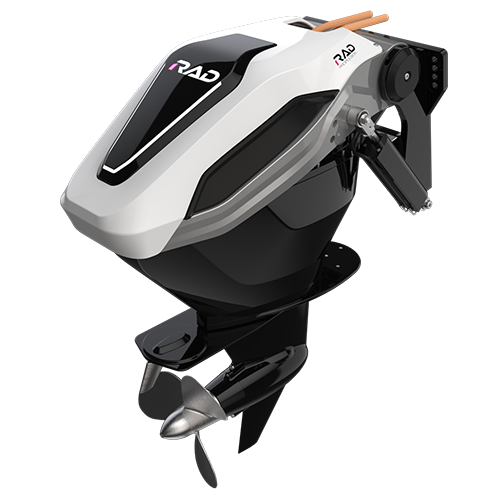
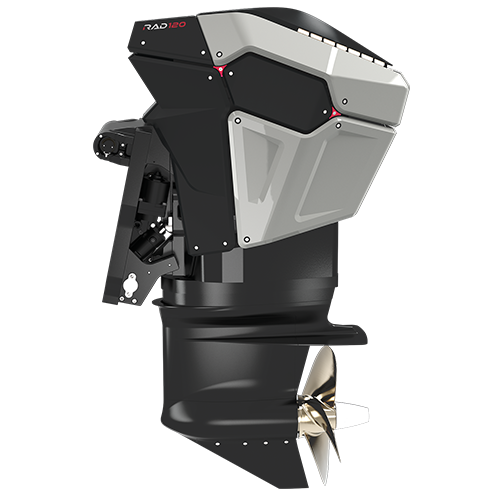
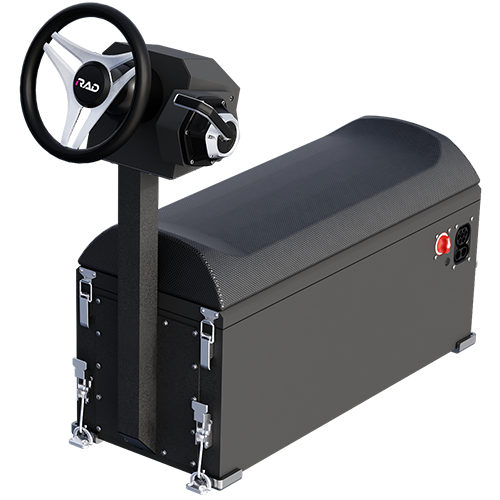
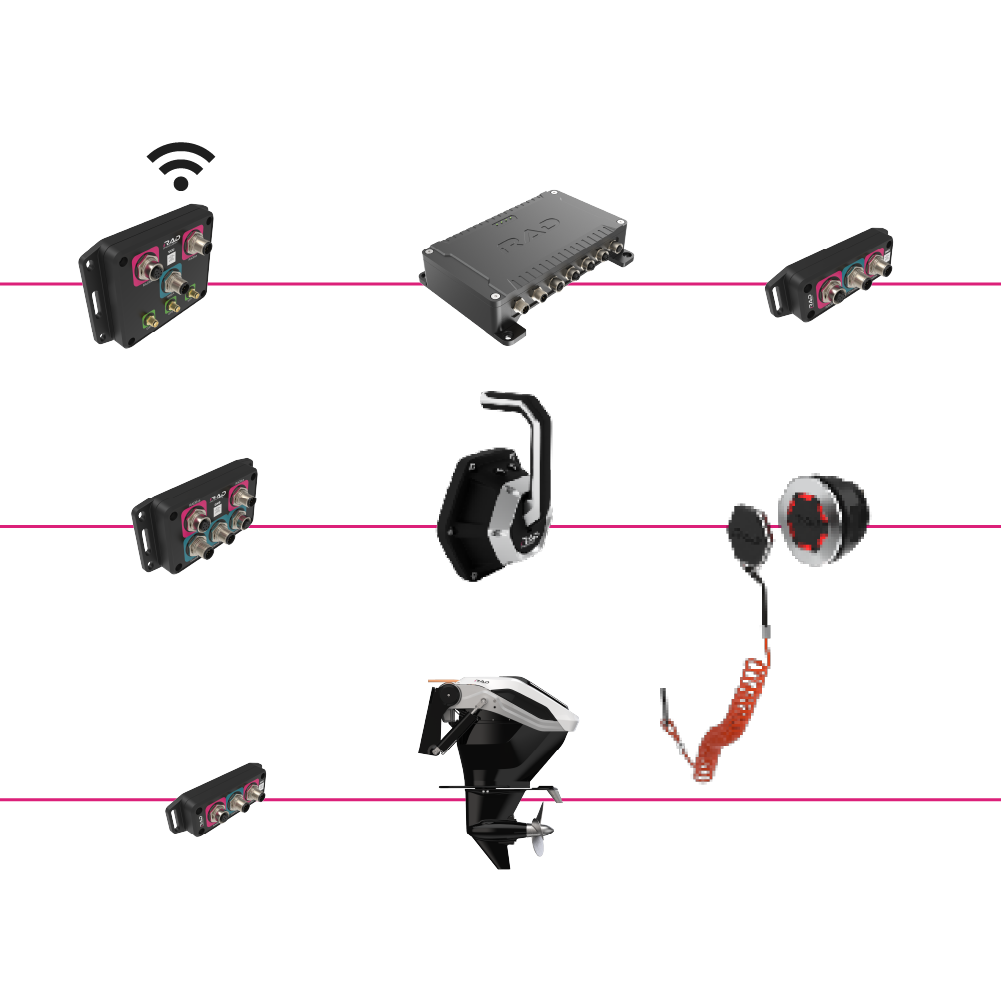
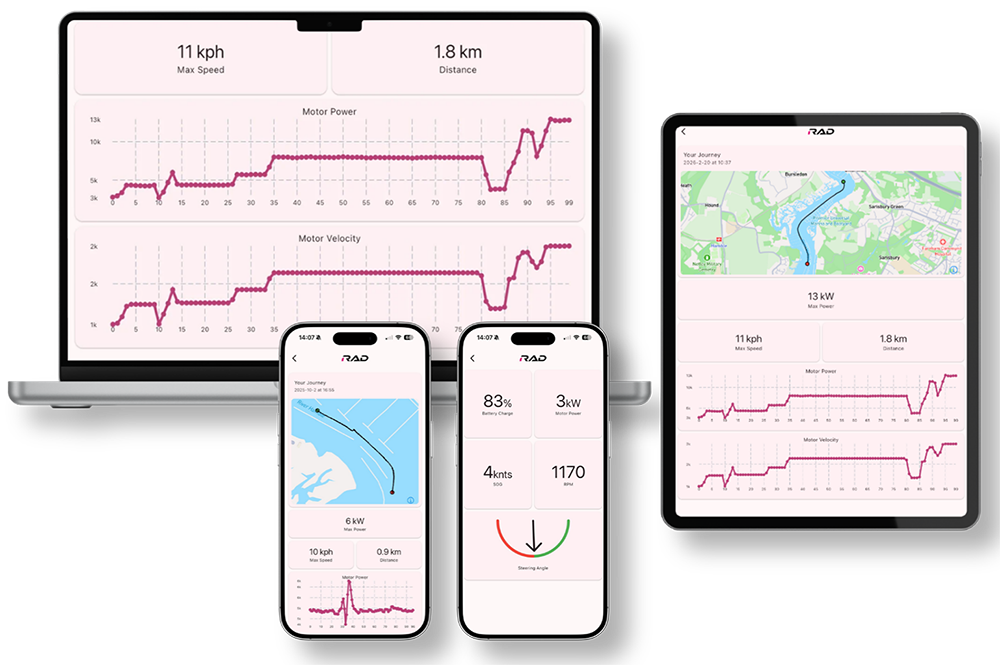
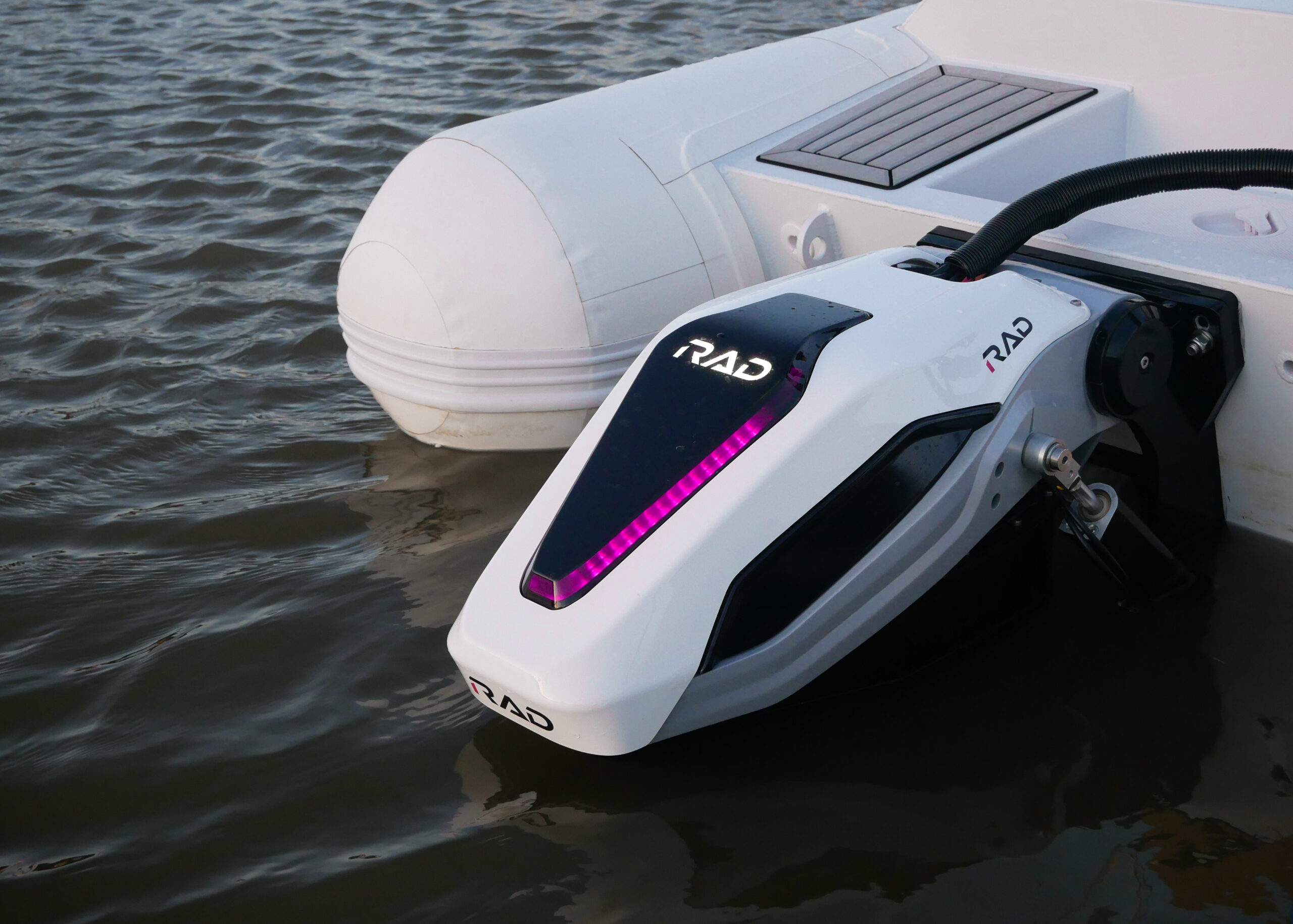
Electric motors such as the RAD 40 electric outboard have been engineered with advanced steering and control systems designed to improve handling and responsiveness. Precise throttle control and drive-by-wire steering allow for more accurate navigation while helping operators maintain confidence in a variety of environments.
The RAD 40’s lightweight design also reduces vibration compared with traditional combustion engines, creating a smoother and more comfortable boating experience for passengers and operators alike.
Emission-free, sustainable boating
One of the most widely recognised advantages of electric boat motors is their environmental performance.
Traditional combustion outboards produce emissions that contribute to air pollution and environmental degradation. They can also impact water quality through fuel spills, exhaust emissions and engine discharge.
Electric outboard motors operate without producing exhaust emissions, helping boat owners reduce their environmental footprint while enjoying cleaner waterways.
Beyond environmental benefits, electric propulsion delivers a more enjoyable experience. Without fuel fumes or engine exhaust, boaters can enjoy cleaner air and a quieter environment while out on the water.
As governments and waterways continue to prioritise sustainability and zero-emission transport, electric propulsion is becoming increasingly important. Across many regions, restrictions on combustion-powered vessels are becoming more common, making electric outboards an attractive long-term investment.
The RAD 40 electric outboard combines clean propulsion with high-performance capability, delivering a practical solution for both recreational and commercial applications without compromising on power or user experience.

Improved safety at sea
Safety remains one of the most important priorities for any vessel owner.
Electric outboard systems remove several risks commonly associated with petrol-powered engines, including fuel handling, fuel storage and engine-related fire hazards.
By eliminating combustible fuel systems, electric propulsion can help simplify vessel operation while reducing potential safety concerns.
Modern electric propulsion systems are also designed to operate in demanding marine environments. Waterproof battery technology and robust electrical systems provide dependable performance while helping protect critical components from water exposure.
The result is greater confidence on the water, allowing operators to focus on navigation, passengers and enjoying the boating experience.
Greater reliability and lower maintenance
A common question among prospective buyers is:
Are electric outboard motors reliable?
The answer lies in their simplicity.
Unlike traditional combustion engines, electric motors contain significantly fewer moving parts. This reduces wear and tear, lowers routine maintenance requirements and minimises the number of components that can potentially fail.
There are no fuel systems to manage, no oil changes to schedule and no pull cords to wrestle with before every journey.
Starting an electric outboard is simple. With the push of a button or activation of a switch, the system is ready to operate.
This simplicity makes electric propulsion particularly appealing to new boat owners, occasional users and commercial operators looking to reduce maintenance downtime.
The lightweight RAD 40 has also been designed to simplify installation. With no requirement for external steering gear and a streamlined integration process, users can spend less time preparing their vessel and more time on the water.
Quieter operation and a better boating experience
Traditional outboard engines are often associated with noise, vibration and disruption.
Electric propulsion changes that experience completely.
Because electric motors operate with significantly less noise than internal combustion engines, passengers can enjoy conversations, wildlife watching and time on the water without the constant presence of engine noise.
The reduction in noise pollution also benefits the surrounding environment. Marine wildlife is less likely to be disturbed, helping preserve natural habitats while creating a more enjoyable experience for those on board.
Whether exploring inland waterways, fishing, working on commercial vessels or enjoying a family day on the water, quieter operation is one of the most noticeable advantages of switching to an electric outboard motor.
Why electric outboards are the future of boating
Electric boating is no longer a future concept. It is rapidly becoming a practical and attractive alternative to traditional propulsion systems.
From instant torque and smoother control to reduced maintenance, quieter operation and zero-emission performance, electric outboard motors deliver a range of benefits that appeal to both recreational and commercial operators.
As technology continues to advance and more waterways embrace sustainable marine transport, demand for electric propulsion solutions will only continue to grow.
For boat owners looking to future-proof their vessel while improving their experience on the water, investing in an electric outboard simply makes sense.
If you’re interested in learning more about the RAD 40 electric outboard, exploring electric propulsion solutions for your vessel or speaking with marine propulsion experts, contact the RAD Propulsion team today.
Frequently asked questions
Are electric outboard motors worth it?
Electric outboard motors offer lower maintenance requirements, quieter operation, instant torque and zero exhaust emissions, making them an attractive alternative to petrol-powered engines.
How long does an electric outboard battery last?
Battery life depends on vessel size, speed, usage and battery capacity. Modern systems are designed to provide dependable performance for a wide range of recreational and commercial applications.
What are the advantages of an electric boat motor?
Key advantages include reduced maintenance, quieter running, immediate throttle response, lower environmental impact and improved user experience.
Are electric outboards reliable?
Electric outboards contain fewer moving parts than traditional combustion engines, helping reduce maintenance requirements and improve reliability.

